Értékelés:
Kiadva: 01.12.1996.
Nyelv : Angol
Szint: Középiskola
Irodalom:
Referenciák: Nincs használatban
  • Esszék 'Green Revolution Agricultural Production Revolution', 1.
  • Esszék 'Green Revolution Agricultural Production Revolution', 2.
KivonatZsugorodni

Falcon, Walter P. August 9-12, 1970. The Green Revolution: Generations of Problems. Economic Development Report. No. 154, 1-30.
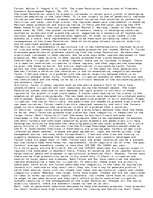
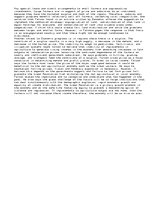
The Green Revolution refers to dramatic increases in cereal-grain yields in developing countries beginning in the late 1960s. It is due largely to use of genetically improved varieties and short-stemmed, disease-resistant varieties that excelled at converting fertilizer and water into high yields. The improved seeds were instrumental in boosting Mexican wheat production and averting famine in India and Pakistan, earning the 1970 Nobel Peace Prize for American plant breeder Norman E. Borlaug, leader of the Mexican wheat team. By 1992, the system included 18 centers, mostly in developing countries, staffed by scientists from around the world, supported by a consortium of foundations, national governments, and international agencies. In order to raise income in the economy as a whole, more improvements need to be made such as reducing identified consequences of the Green Revolution. Some of which pose threats to social stability and to continued economic progress.

Küldés e-mailben

Az Ön neve:

Adja meg az e-mail-címet, amelyen meg szeretné kapni a linket:

Üdv!
{Your name} szerint érdemes lehet megtekinteni ezt a dokumentumot az eKönyvtárban „Green Revolution Agricultural Production Revolution”.

A dokumentumra mutató link:
https://www.ekonyvtar.eu/w/972989

Küldés

E-mail elküldve