Értékelés:
Kiadva: 26.10.2005.
Nyelv : Angol
Szint: Középiskola
Irodalom:
Referenciák: Nincs használatban
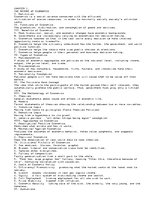
  • Összefoglalók, jegyzetek 'Notes for a Macroeconomics Course', 1.
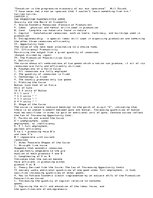
  • Összefoglalók, jegyzetek 'Notes for a Macroeconomics Course', 2.
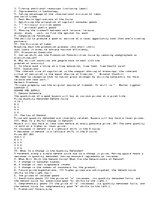
  • Összefoglalók, jegyzetek 'Notes for a Macroeconomics Course', 3.
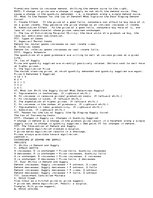
  • Összefoglalók, jegyzetek 'Notes for a Macroeconomics Course', 4.
  • Összefoglalók, jegyzetek 'Notes for a Macroeconomics Course', 5.
  • Összefoglalók, jegyzetek 'Notes for a Macroeconomics Course', 6.
  • Összefoglalók, jegyzetek 'Notes for a Macroeconomics Course', 7.
  • Összefoglalók, jegyzetek 'Notes for a Macroeconomics Course', 8.
  • Összefoglalók, jegyzetek 'Notes for a Macroeconomics Course', 9.
  • Összefoglalók, jegyzetek 'Notes for a Macroeconomics Course', 10.
  • Összefoglalók, jegyzetek 'Notes for a Macroeconomics Course', 11.
  • Összefoglalók, jegyzetek 'Notes for a Macroeconomics Course', 12.
  • Összefoglalók, jegyzetek 'Notes for a Macroeconomics Course', 13.
  • Összefoglalók, jegyzetek 'Notes for a Macroeconomics Course', 14.
  • Összefoglalók, jegyzetek 'Notes for a Macroeconomics Course', 15.
  • Összefoglalók, jegyzetek 'Notes for a Macroeconomics Course', 16.
  • Összefoglalók, jegyzetek 'Notes for a Macroeconomics Course', 17.
  • Összefoglalók, jegyzetek 'Notes for a Macroeconomics Course', 18.
  • Összefoglalók, jegyzetek 'Notes for a Macroeconomics Course', 19.
  • Összefoglalók, jegyzetek 'Notes for a Macroeconomics Course', 20.
KivonatZsugorodni

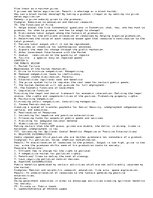
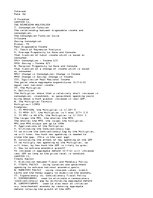
MONETARY POLICY
I. Types of Money Demand
A. Transactions demand
Holding money as a medium of exchange (M1)
B. Asset demand
Holding money as a store of value, such as CD's,
stocks, and bonds
C. Precautionary demand
Holding money for unexpected emergencies.
"Rainy day" money.
D. Speculative demand
Holding money to make speculative investments.
II. The Opportunity Cost of Holding Money
The higher the interest rate, the greater the opportunity
cost to hold money in cash. At high interest rates people
have a lower demand for pocket cash.
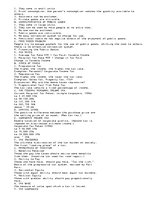
III. How Monetary Policy Works
A. Expansionary Monetary Policy (used in recession)
"Easy Money" measures:
- Open Market Operations: buying (cashing in) bonds
- Lower Discount Rate/ Federal Funds Rate
- Lower Reserve Ratio
B. Contractionary Monetary Policy (used in inflation)
"Tight Money" measures:
- Open Market Operations: selling bonds
- Higher Discount Rate/ Federal Funds Rate
- Higher Reserve Ratio
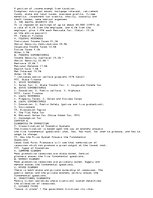
IV. Bond Prices vs. the Interest Rate
The higher the interest rate, the lower the price of
previously issued bonds.

Küldés e-mailben

Az Ön neve:

Adja meg az e-mail-címet, amelyen meg szeretné kapni a linket:

Üdv!
{Your name} szerint érdemes lehet megtekinteni ezt a dokumentumot az eKönyvtárban „Notes for a Macroeconomics Course”.

A dokumentumra mutató link:
https://www.ekonyvtar.eu/w/939003

Küldés

E-mail elküldve