Szerző:
Értékelés:
Kiadva: 04.11.2010.
Nyelv : Angol
Szint: Középiskola
Irodalom:
Referenciák: Nincs használatban
  • Prezentációk 'Non-verbal Communication', 1.
  • Prezentációk 'Non-verbal Communication', 2.
  • Prezentációk 'Non-verbal Communication', 3.
  • Prezentációk 'Non-verbal Communication', 4.
  • Prezentációk 'Non-verbal Communication', 5.
  • Prezentációk 'Non-verbal Communication', 6.
  • Prezentációk 'Non-verbal Communication', 7.
  • Prezentációk 'Non-verbal Communication', 8.
  • Prezentációk 'Non-verbal Communication', 9.
  • Prezentációk 'Non-verbal Communication', 10.
  • Prezentációk 'Non-verbal Communication', 11.
  • Prezentációk 'Non-verbal Communication', 12.
  • Prezentációk 'Non-verbal Communication', 13.
TartalomjegyzékZsugorodni
Szám Fejezet  Oldal.
  The meaning of “Non-verbal communication”   
  Body language   
  Gestures   
  Facial expressions   
KivonatZsugorodni

Non-verbal communication is usually understood as the process of communication through sending and receiving wordless messages.
Language is not the only type of communication, there are other means also.
Non-verbal communication can be realised through gestures and touch,by body language, facial expressions and eye contact.

Gestures
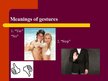
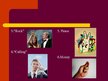
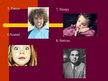
A gesture is a form of non- verbal communication made with a part of the body, used instead of or in combination with verbal communication.
The language of gesture is rich in ways for individuals to express a variety of feelings and thoughts.

Eye contacts
A person's face, especially their eyes, creates the most obvious and immediate cues that lead to the formation of impressions
A person's eyes reveal much about how they are feeling, or what they are thinking. …

A szerző megjegyzéseBővíteni
Küldés e-mailben

Az Ön neve:

Adja meg az e-mail-címet, amelyen meg szeretné kapni a linket:

Üdv!
{Your name} szerint érdemes lehet megtekinteni ezt a dokumentumot az eKönyvtárban „Non-verbal Communication”.

A dokumentumra mutató link:
https://www.ekonyvtar.eu/w/934366

Küldés

E-mail elküldve